September 3, 2026
Scheduling plumbing services can feel like a complicated task, especially when you are unsure what to expect from the process. Plumbing problems can range from minor leaks and slow drains to damaged pipes and water heater failures, so having a systematic approach can make arranging repairs much easier. Understanding the steps involved can also help you communicate effectively with a plumber, prepare your home for the appointment, and make informed decisions about recommended repairs. From identifying the initial problem to reviewing the completed work, knowing what to expect can contribute to a smoother and more efficient experience.
Identifying Your Plumbing Problem
Recognizing a plumbing issue early can help prevent inconvenience and property damage. Common warning signs include dripping faucets, unexplained increases in water bills, low water pressure, slow drains, unusual noises, and damp patches on walls or ceilings. Some problems may be easy to locate, while others can develop behind walls, beneath floors, or underground. Paying attention to changes in how fixtures and drains operate can provide useful clues about the source and severity of a problem.
Before contacting a professional, write down what you have observed and when the symptoms first appeared. Note whether the problem is constant or intermittent and whether it affects one fixture or several areas of the home. Providing these details when scheduling plumbing services can help the company understand what may be happening and determine what equipment or materials might be necessary for the appointment. Photos or short videos may also be useful when the issue is visible.
Determining When Professional Help Is Necessary
Some minor maintenance tasks may be manageable for homeowners, but more complicated problems generally require professional attention. Replacing a faucet aerator or using a basic plunger, for example, is considerably different from repairing a damaged supply line or investigating a sewer backup. Attempting unfamiliar repairs can potentially worsen the problem, particularly when work involves concealed pipes, water heaters, sewer lines, or connections that must meet local plumbing codes.
Safety should also factor into the decision. Plumbing repairs may involve contaminated wastewater, hot water, heavy equipment, electrical components, or gas connections. Professional plumbing services can be especially important when the work requires specialized diagnostic equipment or knowledge of building and safety requirements. According to IBISWorld, there were approximately 128,787 plumbing businesses in the United States as of early 2026, giving property owners numerous options when professional assistance is necessary.
Researching Plumbing Companies
Researching potential companies before scheduling an appointment can help you make a more informed choice. Consider recommendations from friends, relatives, neighbors, and other property owners who have recently had similar work completed. Online reviews can provide additional information about responsiveness, punctuality, communication, and the overall customer experience. Licensing, insurance, certifications, and relevant experience are also important considerations when evaluating providers.
Compare more than price when reviewing companies that provide plumbing services. Ask whether the business regularly handles the type of problem you are experiencing and whether estimates, warranties, or service guarantees are available. A company should be willing to explain its procedures and answer reasonable questions about the proposed work. Taking time to research your options can help establish clear expectations before a technician arrives at your property.
Preparing for the Initial Call
Gather relevant information before contacting a company. Be prepared to explain where the problem is located, what symptoms you have noticed, when they began, and whether you have attempted temporary repairs. If you have already turned off water to a fixture or the entire property, mention this as well. Accurate information can help the person scheduling the appointment assess the urgency of the situation and communicate important details to the technician.
Information about previous repairs may also be valuable, particularly if the issue has occurred more than once. Keep warranties, appliance manuals, previous invoices, and repair records available when appropriate. Recurring leaks, clogs, or pressure problems may indicate a broader concern rather than an isolated failure. Sharing the history of the problem gives the technician additional context and may help reduce unnecessary diagnostic work.
Scheduling the Appointment
During the initial conversation, ask about available appointment windows and expected arrival procedures. For routine plumbing services, you may have greater flexibility to choose a time that minimizes disruption to your household or business. Emergency situations may require the earliest available appointment. Ask whether the company offers emergency or same-day assistance and whether additional charges apply to evenings, weekends, holidays, or expedited visits.
It is also helpful to understand the company's policies regarding cancellations, rescheduling, and arrival windows. Ask how you will be notified if the technician is delayed and whether someone must remain at the property throughout the appointment. Establishing communication expectations in advance can prevent confusion. Confirm the address, contact information, appointment date, and any instructions the company provides before ending the scheduling call.
Discussing Costs and Estimates
Cost is an important consideration, so ask how the company structures its charges. Some providers charge a diagnostic or service-call fee, while others may incorporate that amount into the final repair price. Depending on the work, costs may include labor, replacement parts, equipment, permits, or disposal fees. An initial phone estimate may provide general guidance, but the final price can change after the technician examines the plumbing system and identifies the actual cause of the problem.
When arranging plumbing services, ask when you will receive an estimate and whether approval is required before additional work begins. Written estimates can make it easier to understand the proposed scope and associated expenses. For extensive repairs, you may also want to ask about payment methods or financing options. Evaluating both cost and the proposed repair approach can provide a clearer basis for deciding how to proceed.
Preparing Your Property for the Visit
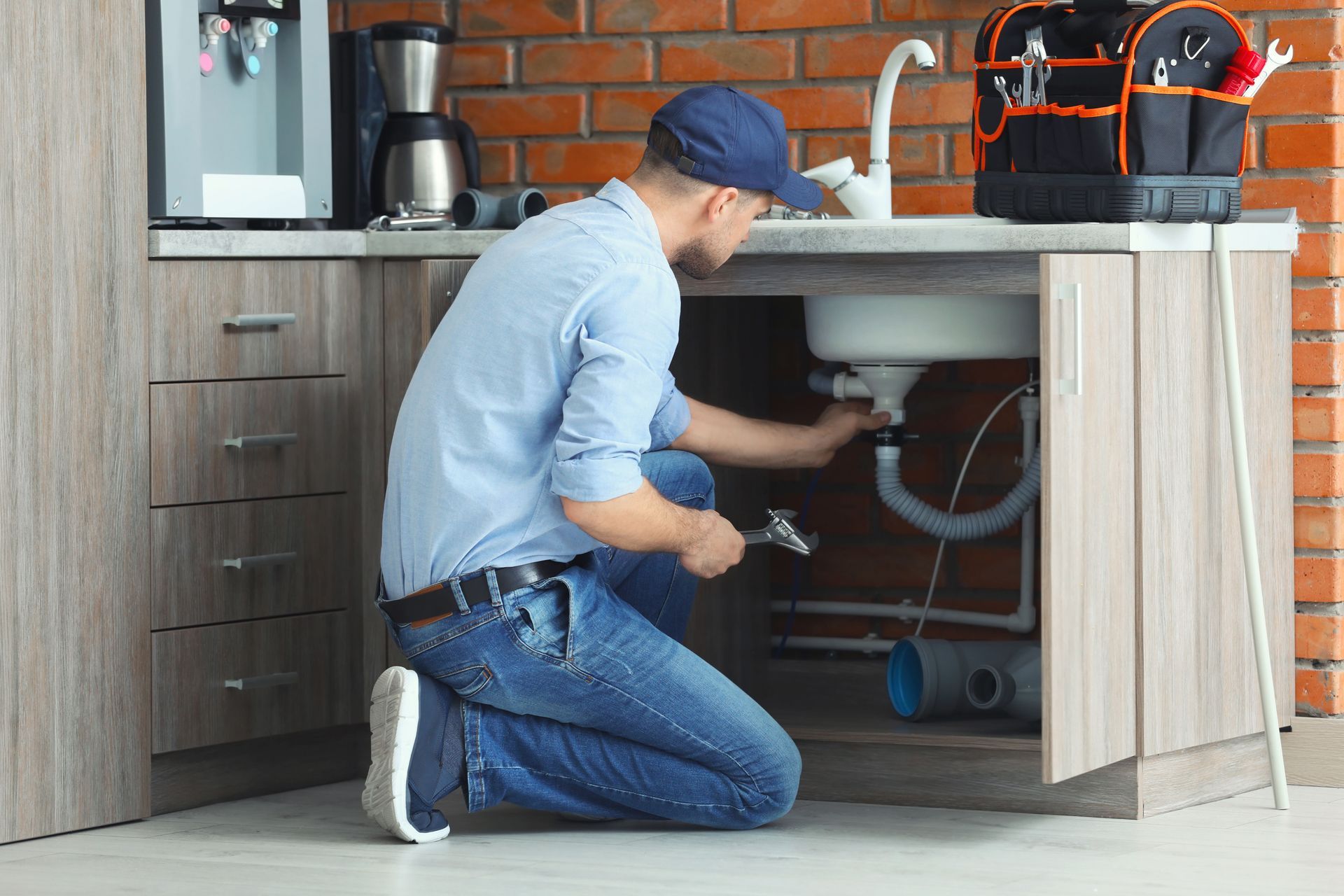
Before the technician arrives, make the affected plumbing fixtures as accessible as possible. Remove belongings from beneath sinks, around toilets, near water heaters, or wherever work is expected. Clear hallways and other paths that may be used to carry tools and equipment through the property. These simple preparations can save time and reduce the possibility of personal belongings being damaged during diagnosis or repair.
Children and pets should generally be kept away from active work areas. If the technician needs access to a basement, crawl space, utility room, locked gate, or mechanical area, make sure keys or access codes are available. Mention known hazards or unusual property conditions before work begins. Preparing the space allows plumbing services to be performed with fewer unnecessary interruptions while helping maintain a safer working environment.
Understanding the Inspection and Diagnosis
After arriving, the plumber will typically discuss the symptoms with you and inspect the affected area. Depending on the problem, diagnosis may involve checking fixtures, examining accessible pipes, measuring water pressure, testing components, or using specialized equipment. Drain cameras, leak detection tools, and other diagnostic methods may be used when the source of a problem cannot be identified through a basic visual inspection.
Once the problem has been identified, ask the technician to explain the findings and available repair options. Understanding whether a repair is temporary, permanent, or part of a larger recommended improvement can help you make an informed decision. You can also ask about expected completion time, replacement materials, warranties, and whether additional work could become necessary after the repair begins.
Scheduling preventive
plumbing services when appropriate may help identify leaks, drainage concerns, worn components, and other developing problems before they cause significant disruption. Maintaining records, knowing where the main water shutoff is located, and having contact information for a qualified plumber readily available can also improve your preparedness. By understanding the scheduling, diagnostic, repair, and follow-up process, you can approach future plumbing problems with clearer expectations and make more informed decisions about maintaining your property. Contact our team at Pelke Plumbing & Well Drilling today and learn more about our plumbing and well drilling services.